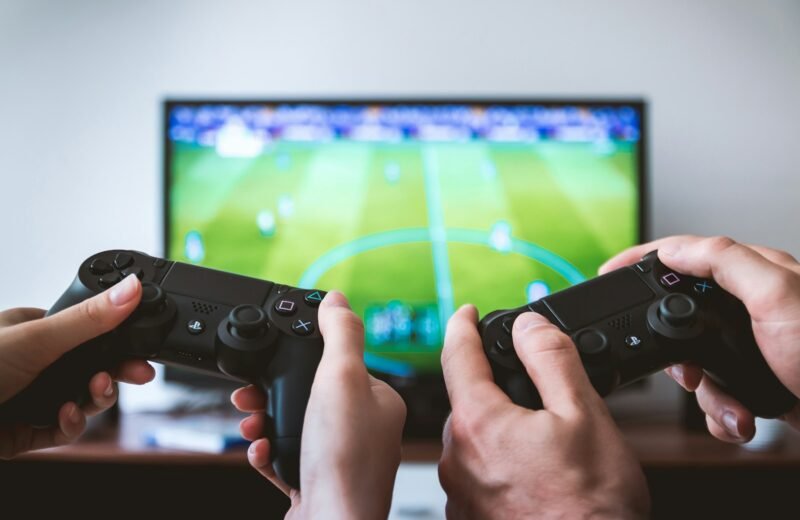

In 2019 the World Health Organization added gaming disorder to its International Classification of Diseases (ICD-11), which came into effect in 2022. It made headlines, and it worried a lot of parents. The detail is more reassuring than the headlines.
The three signs
The WHO describes gaming disorder as a pattern of gaming with:
- Impaired control over gaming: when, how often, how long, and stopping
- Increasing priority given to gaming, to the point that it takes precedence over other interests and daily activities
- Continuing or escalating gaming despite negative consequences
For a diagnosis, the behaviour has to cause significant problems in personal, family, social, educational or work life, and would normally be evident for at least 12 months.
What this means
The WHO notes that gaming disorder affects only a small proportion of people who play. A child who loves Fortnite and plays a lot is not the same as a child whose life is falling apart around gaming.
If you're worried
- Talk with curiosity, not accusation. Ask what they enjoy about the game.
- Look at the whole day. Are sleep, school, friends and family time okay?
- Agree routines together and stick to them calmly.
- Replace, don't just remove. Structured, social play with breaks is healthier than solo marathons.
- Get help if gaming is seriously harming sleep, school, mood or relationships: start with your child's doctor or a counsellor.
If you're feeling worried or overwhelmed yourself, the UAE Mental Support Line is available on 800 4673.