

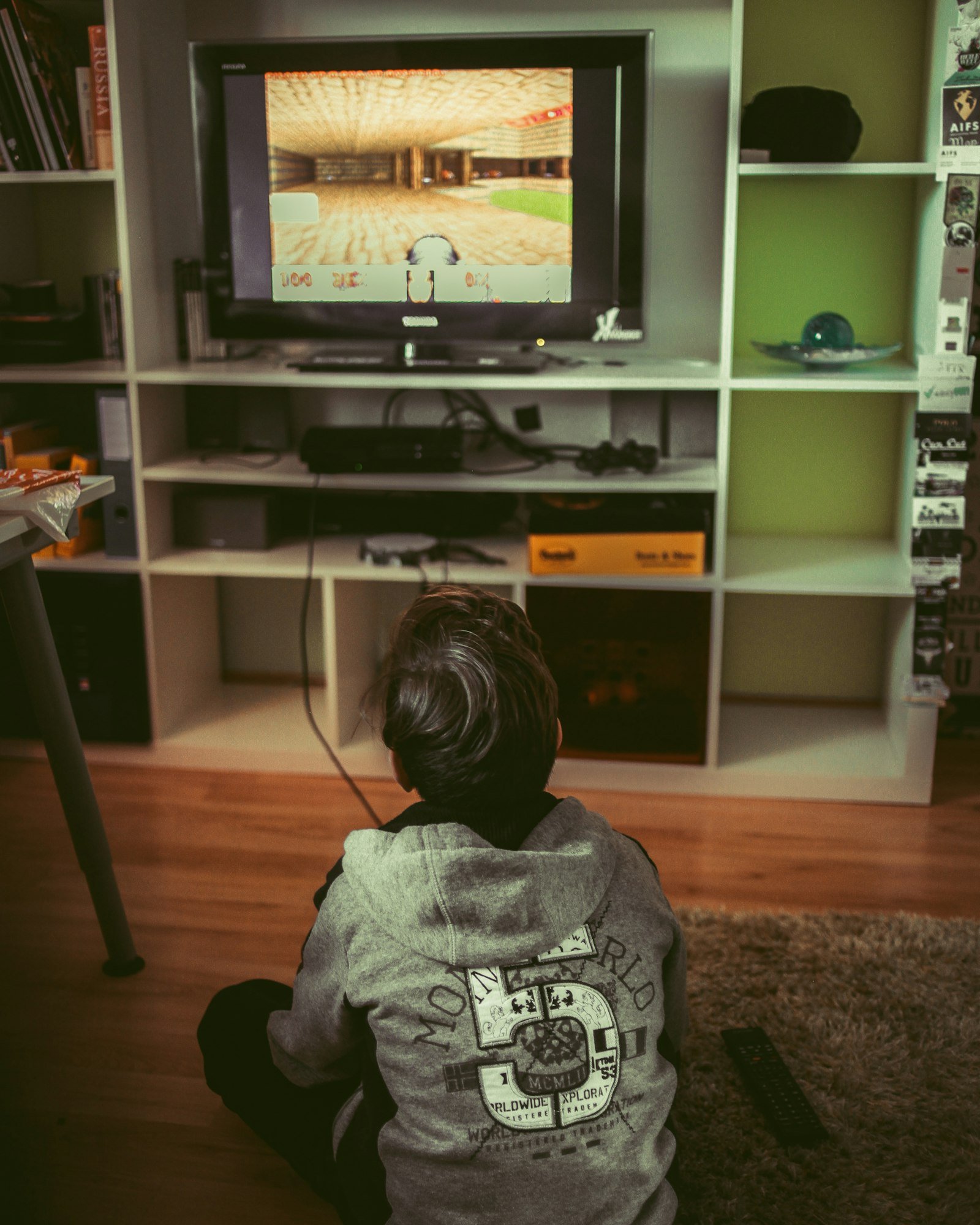
It's the question parents ask us most. The honest answer is that health experts moved away from a single daily limit for school-age children. Instead they focus on what screen time replaces: movement, sleep, school, family and friends.
What the guidelines say
- Move every day. The World Health Organization recommends that children and teens aged 5 to 17 get an average of 60 minutes a day of moderate-to-vigorous physical activity, and limit time spent sitting, especially recreational screen time.
- Protect sleep. The American Academy of Sleep Medicine recommends 9 to 12 hours for ages 6 to 12 and 8 to 10 hours for ages 13 to 18.
- Make a family plan. The American Academy of Pediatrics encourages families to agree a media plan together: when, where and how screens are used.
A balance checklist
If you can tick these, the amount of gaming is probably not the problem:
- Sleep is regular and long enough
- Homework and school are on track
- There's daily movement or sport
- Friends and family time still happen offline
- Gaming ends without big arguments most days
Practical habits that work
- Screens off about an hour before bed, and devices charging outside the bedroom.
- Gaming after the must-dos, not before.
- Break it up with a movement break every 45 to 60 minutes.
- Play together sometimes. Ask them to teach you their game.
- Prefer structured play with friends, goals and breaks over endless solo sessions.
This balance is built into every Ascend session, with warm-ups, movement breaks and clear stop points. See how it works with a free trial.