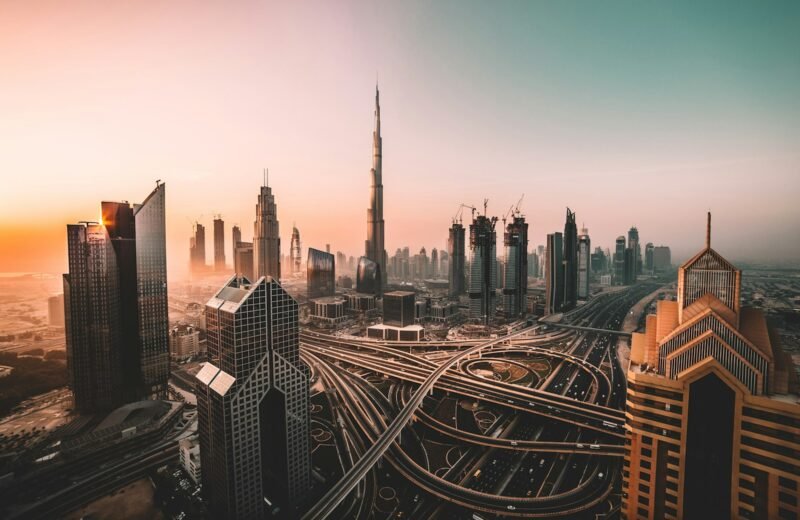

Only a tiny number of players become full-time professionals. The industry around them is much bigger, and with Dubai aiming for 30,000 new gaming jobs by 2033, these careers are increasingly local.
Ten roles to know
- Game designer: creates the rules, levels and experiences players enjoy.
- Game programmer: builds the systems that make the game work.
- 3D artist and animator: characters, worlds and movement.
- Sound designer: music, effects and voice.
- Producer: keeps teams, budgets and schedules on track.
- QA tester: finds bugs before players do.
- Esports caster and host: the voices of live events.
- Event and broadcast producer: runs the live show behind the scenes.
- Community and content manager: builds and looks after a game's players.
- Coach and performance specialist: trains players, including wellness and mindset.
Skills that matter for all of them
Communication, teamwork, problem-solving and the habit of finishing projects. A portfolio of real work matters more than a list of games played.
First steps for students
- Build something. A Fortnite island in UEFN, a Minecraft world or a simple game in Scratch.
- Learn a tool. Unreal Engine, Unity or Blender all have free versions.
- Get event experience. Help at tournaments, cast a match, run a stream.
- Take a structured course. Our sister academy Ascend EdTech teaches game design, Unreal Engine, Blender and more, from age 6 to adult.
Schools can book our Careers in Gaming Day for ages 13 to 18, and universities can explore our collegiate program.